
PRACTISE AND EXERCISE FOR HONEY BEE
IMPORTANT SOLVED QUESTIONS
OF HONEY BEE
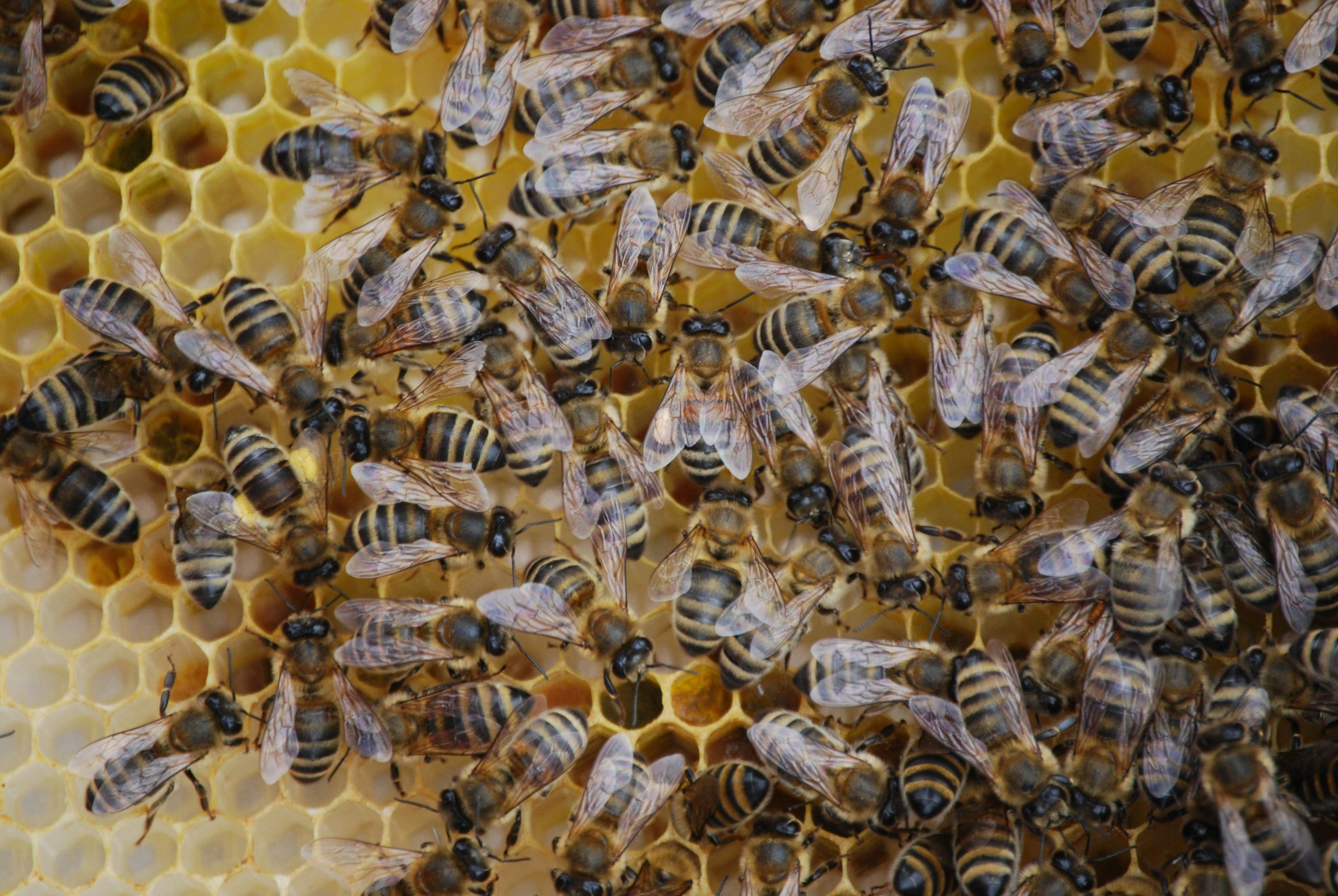
🐝 Honey Bee Q&A Exercise
Master honey bee knowledge with 100 comprehensive questions and answers
100
Total Questions
0
Answered
0%
Progress
No questions found
Try adjusting your search or filter criteria
📚 Complete all questions to master honey bee knowledge • Click on any question to reveal the answer
1. Introduction / Definition of Honey Bee
- Honey bee is a social insect that lives in groups called colonies.
- It belongs to the order Hymenoptera.
- Scientific name of common honey bee: Apis mellifera
- Honey bees are famous for producing honey and beeswax.
- They live together in a beehive and work cooperatively.
Useful Words
- Colony → A group of bees living together
- Hive → Home of honey bees
- Larva → Young stage of bee
- Pupa → Resting stage before adult
- Nectar → Sweet liquid collected from flowers
- Pollination → Transfer of pollen from one flower to another
- Comb → Wax structure made by bees
2. Types of Honey Bee
There are three main types (castes) of honey bees in a colony:
A. Queen Bee
Definition
The queen bee is the only fertile female in the colony.
Characteristics
- Largest bee in the hive
- Has a long abdomen
- Lays eggs
- Can lay 1500–2000 eggs per day
- Lives for 2–5 years
Functions
- Lays eggs
- Controls the colony by releasing chemicals called pheromones
- Maintains unity in the hive
B. Worker Bee
Definition
Worker bees are sterile female bees that do all the work.
Characteristics
- Smallest bees
- Most numerous in the colony
- Live for 5–6 weeks
Functions
- Collect nectar and pollen
- Make honey
- Build honeycomb
- Feed young bees
- Clean hive
- Protect hive
- Maintain hive temperature
C. Drone Bee
Definition
Drone bees are male bees.
Characteristics
- Bigger than worker bees
- No sting
- Large eyes
- Live for a few weeks
Functions
- Mate with the queen bee
Special Fact
- Drones die after mating.
Comparison of Honey Bee Types
| Type | Gender | Main Work | Number in Hive |
|---|---|---|---|
| Queen Bee | Female | Lays eggs | One |
| Worker Bee | Female | All hive work | Thousands |
| Drone Bee | Male | Mating | Hundreds |
3. Life Cycle of Honey Bee
Honey bee undergoes complete metamorphosis.
Definition
Complete metamorphosis is a life cycle with four stages.
Stages of Honey Bee Life Cycle
A. Egg Stage
- Queen lays eggs in wax cells
- Eggs are very tiny and white
- Egg hatches in 3 days
B. Larva Stage
Definition
Larva is the worm-like young stage.
Features
- White and soft
- Fed by worker bees
- Eats continuously
- Grows rapidly
Duration: 5–6 days
C. Pupa Stage
Definition
Pupa is the resting stage.
Features
- Develops wings, legs, eyes
- Changes into adult bee
Duration: 7–14 days
D. Adult Stage
The fully developed bee emerges from the cell.
Adult can be:
- Queen bee
- Worker bee
- Drone bee
Life Cycle Flow
Egg → Larva → Pupa → Adult


4. Importance of Honey
A. As Food
- Nutritious natural sweetener
- Rich in energy
B. Medicinal Uses
- Helps heal wounds
- Relieves cough and sore throat
- Has antibacterial properties
C. Cosmetic Uses
- Used in soaps and creams
D. Preservative
- Helps preserve food
5. Importance of Honey Bee
A. Pollination
Definition:
Pollination is transfer of pollen grains from one flower to another.
Importance:
- Helps plants reproduce
- Increases crop production
B. Honey Production
- Produces honey for humans
C. Beeswax Production
Used for:
- Candles
- Cosmetics
- Polish
D. Maintains Biodiversity
- Helps growth of plants
- Supports ecosystem balance
E. Economic Importance
- Source of income through beekeeping
6. Useful Short Definitions
Honey Bee: An insect that produces honey.
Honeycomb: Wax structure made by bees.
Nectar: Sweet liquid from flowers.
Pollen: Fine powder produced by flowers.
Beekeeping: Rearing bees for honey production.
Metamorphosis: Process of change in body form during growth.
Apiary: Place where bees are kept.
7. Important Points to Remember
 Honey bees are social insects There are three types of bees Honey bee life cycle has four stages Worker bees collect nectar Queen bee lays eggs Drones mate with queen Honey bees help in pollination Honey has food and medicinal value
8. Very Short Exam Answers
Q: Name the types of honey bees.
Ans: Queen bee, worker bee, drone bee.
Q: How many stages are in honey bee life cycle?
Ans: Four stages.
Q: What is the role of worker bee?
Ans: Collects nectar and maintains hive.
Q: Why are honey bees important?
Ans: They produce honey and help in pollination.
Questions Based on Honey Bee (Total 60 Questions)
(Knowledge, Understanding, Higher Ability and Application Based)
A. Knowledge Level Questions (15)
(Recall and basic facts)
- What is a honey bee?
- Write the scientific name of honey bee.
- How many types of honey bees are found in a colony?
- Name the three types of honey bees.
- Which bee lays eggs in the hive?
- Which bee collects nectar from flowers?
- Which type of bee is male?
- How many stages are there in the life cycle of honey bee?
- Name the first stage of honey bee life cycle.
- What is the resting stage of honey bee called?
- What is nectar?
- What is pollination?
- What is the home of honey bee called?
- What is the wax structure made by bees called?
- What is beekeeping called?
B. Understanding Level Questions (15)
(Explain and describe)
- Describe the three types of honey bees.
- Explain the role of the queen bee.
- Why are worker bees called the busiest bees?
- Explain the life cycle of honey bee.
- Why does honey bee undergo complete metamorphosis?
- Describe the larva stage of honey bee.
- Explain the importance of honey.
- Why are drone bees important in a colony?
- Explain how honey bees make honey.
- Why are honey bees called social insects?
- Explain the importance of pollination.
- How do worker bees help the colony?
- Why is beeswax useful?
- Describe the pupa stage of honey bee.
- Explain the importance of honey bees in agriculture.
C. Higher Ability Questions (15)
(Analyze, compare, reason, think critically)
- Compare queen bee and worker bee.
- Differentiate between worker bee and drone bee.
- Why can a colony not survive without worker bees?
- Why is the queen bee essential for the colony?
- Analyze how the life cycle of honey bee helps in its survival.
- Why are honey bees considered important for biodiversity?
- Explain why worker bees are more important than drone bees.
- What would happen if all drone bees disappeared?
- Why is pollination more important than honey production?
- Why do honey bees need teamwork for survival?
- How does the structure of a beehive help bees?
- Why is honey considered a natural medicine?
- Explain how honey bee activities affect crop production.
- Why are honey bees called beneficial insects?
- What changes occur during metamorphosis in honey bee?
D. Application Based Questions (15)
(Real-life use and practical thinking)
- What would happen to crop production if honey bees disappeared?
- How can farmers benefit from keeping honey bees?
- How can beekeeping help improve a family’s income?
- If you found a damaged beehive, what would you do?
- How can honey be used at home for health benefits?
- How would you explain the importance of honey bees to a farmer?
- What methods can be used to protect honey bees?
- If flowers decrease in an area, how will it affect honey bees?
- How can students help in conserving honey bees?
- Why should people avoid destroying beehives?
- How is honey useful in daily life?
- If worker bees stopped collecting nectar, what would happen?
- How does planting more flowers help honey bees?
- How can honey bee farming support the economy?
- Suggest ways to increase honey production in an apiary.
Best Concept-Based HOTS Questions
- Why is honey bee called the “friend of farmers”?
- How does the disappearance of honey bees affect human life?
- If you were a beekeeper, how would you increase honey production?
- Why is every type of bee necessary in a colony?
- What lessons can humans learn from honey bee teamwork?
Honey Bee: Questions with Answers
(Easy to read and study)
A. Knowledge Level Questions with Answers (15)
1. What is a honey bee?
Ans: Honey bee is a social insect that produces honey.
2. What is the scientific name of honey bee?
Ans: Apis mellifera
3. How many types of honey bees are found in a colony?
Ans: Three types.
4. Name the three types of honey bees.
Ans: Queen bee, worker bee and drone bee.
5. Which bee lays eggs?
Ans: Queen bee.
6. Which bee collects nectar?
Ans: Worker bee.
7. Which bee is male?
Ans: Drone bee.
8. How many stages are in the life cycle of honey bee?
Ans: Four stages.
9. What is the first stage of honey bee life cycle?
Ans: Egg stage.
10. What is the resting stage called?
Ans: Pupa stage.
11. What is nectar?
Ans: Sweet liquid found in flowers.
12. What is pollination?
Ans: Transfer of pollen from one flower to another.
13. What is the home of honey bee called?
Ans: Hive.
14. What is honeycomb?
Ans: Wax structure made by bees.
15. What is beekeeping called?
Ans: Apiculture.
B. Understanding Level Questions with Answers (15)
1. Why are honey bees called social insects?
Ans: Because they live and work together in colonies.
2. What is the role of queen bee?
Ans: To lay eggs and control the colony.
3. Why are worker bees important?
Ans: They collect nectar and maintain the hive.
4. Why are drone bees important?
Ans: They mate with the queen bee.
5. Why does honey bee undergo metamorphosis?
Ans: To grow from egg into adult bee.
6. Why is honey useful?
Ans: It is used as food and medicine.
7. Why is pollination important?
Ans: It helps plants reproduce.
8. How do bees make honey?
Ans: By collecting nectar and processing it.
9. Why is beeswax useful?
Ans: It is used for candles and cosmetics.
10. Why is queen bee larger?
Ans: Because her main function is laying eggs.
11. Why are worker bees sterile?
Ans: Their job is to work for the colony.
12. Why is honeycomb important?
Ans: It stores honey and eggs.
13. Why do bees collect nectar?
Ans: To make honey.
14. Why are flowers important for bees?
Ans: They provide nectar and pollen.
15. Why is beekeeping important?
Ans: It provides honey and income.
C. Higher Ability Questions with Answers (15)
1. What would happen without queen bee?
Ans: The colony would not produce new bees.
2. Why are worker bees called the backbone of the colony?
Ans: Because they do all the work.
3. Why is teamwork important in a beehive?
Ans: It helps the colony survive.
4. Why are honey bees useful to farmers?
Ans: They help in pollination.
5. Why are honey bees beneficial insects?
Ans: They help plants and produce honey.
6. Why is pollination more important than honey?
Ans: It helps food crops grow.
7. What would happen if worker bees stopped working?
Ans: The colony would die.
8. Why are drones fewer in number?
Ans: Their only job is mating.
9. Why is complete metamorphosis important?
Ans: It helps proper development.
10. How does honey bee life cycle help survival?
Ans: It ensures new bees are produced.
11. Why should bees be protected?
Ans: They support agriculture.
12. Why do bees need flowers?
Ans: For nectar and pollen.
13. Why is honey considered natural medicine?
Ans: It has healing properties.
14. How does honey bee maintain ecosystem balance?
Ans: Through pollination.
15. Why are all three bee types necessary?
Ans: Each has a special role.
D. Application Based Questions with Answers (15)
1. What will happen if honey bees disappear?
Ans: Crop production will decrease.
2. How can farmers benefit from bees?
Ans: Better pollination and more crops.
3. How can honey be used at home?
Ans: As food and medicine.
4. How can students protect honey bees?
Ans: By planting flowers.
5. What should you do if you see a beehive?
Ans: Do not disturb it.
6. How does beekeeping help people?
Ans: It provides income.
7. How can honey help sick people?
Ans: It soothes cough and throat pain.
8. Why should people avoid destroying hives?
Ans: It harms bee colonies.
9. How can planting flowers help bees?
Ans: It gives them food.
10. How can honey bees help the environment?
Ans: By pollinating plants.
11. What can a farmer do to attract bees?
Ans: Grow flowering plants.
12. How is honey useful in daily life?
Ans: It is used in food and medicine.
13. What can happen if there are fewer flowers?
Ans: Bees will lack food.
14. How can beekeeping improve economy?
Ans: By selling honey.
15. Why should people learn about honey bees?
Ans: To understand their importance.
Types of Honey Bee (Complete Descriptive Notes)
Honey bees are social insects that live together in a colony. A honey bee colony is divided into three different types of bees, called castes. Each type has its own body structure, special function, and importance for the survival of the colony. These three types are Queen Bee, Worker Bee, and Drone Bee. All of them work together to maintain balance and success in the beehive.


1. Queen Bee
Definition
The queen bee is the only fertile female bee in the colony and is considered the mother of all bees in the hive.
Description
The queen bee is the largest and most important bee in the colony. She has a long, slender body with a longer abdomen than other bees. There is usually only one queen bee in a hive. Her main responsibility is to lay eggs, sometimes up to 1500–2000 eggs in a single day. She produces special chemicals called pheromones, which control and organize the activities of the colony. The queen can live for 2 to 5 years, making her the longest-living bee in the hive.
Main Functions
- Lays eggs for colony reproduction
- Controls the colony through pheromones
- Maintains discipline and unity in the hive
- Ensures continuation of the bee population
Importance
Without the queen bee, the colony cannot produce new bees and will eventually die.
2. Worker Bee
Definition
Worker bees are sterile female bees that perform all the work of the colony.
Description
Worker bees are the smallest but most hardworking bees in the hive. They are very active and are found in the largest number. They perform almost every task necessary for the survival of the colony. Worker bees collect nectar and pollen from flowers, make honey, feed young larvae, clean the hive, guard the entrance, build honeycomb, and protect the colony from enemies. Their life span is usually 5 to 6 weeks during active seasons.
Worker bees are called the backbone of the colony because the entire hive depends on their hard work and cooperation.
Main Functions
- Collect nectar and pollen
- Produce honey
- Build honeycomb
- Feed young bees
- Clean and protect the hive
- Maintain hive temperature
Importance
Without worker bees, the hive cannot function properly because all daily activities depend on them.
3. Drone Bee
Definition
Drone bees are the male bees of the colony.
Description
Drone bees are larger than worker bees but smaller than the queen bee. They have large eyes and a strong body. Unlike worker bees, drones do not collect nectar, make honey, or protect the hive because they do not have stingers. Their main purpose is to mate with the queen bee during the breeding season. After mating, the drone usually dies. Drones live only for a few weeks.
Though they do not work like worker bees, they are essential for reproduction and continuation of the colony.
Main Functions
- Mate with the queen bee
- Help in reproduction of new colonies
Importance
Without drones, fertilization cannot occur, and new generations of bees cannot be produced.
Comparison of Three Types of Honey Bees
| Feature | Queen Bee | Worker Bee | Drone Bee |
|---|---|---|---|
| Gender | Female | Female | Male |
| Number in Hive | One | Thousands | Hundreds |
| Main Work | Laying eggs | All hive work | Mating |
| Size | Largest | Smallest | Medium |
| Lifespan | 2–5 years | 5–6 weeks | Few weeks |
Important Points to Remember
Queen bee is the mother of the colony Worker bees are the busiest bees Drone bees are male bees Each type has a special role All three are essential for colony survival
Useful Descriptive Line
“A honey bee colony is a perfect example of teamwork, where the queen leads, the workers serve, and the drones ensure continuation of life.”