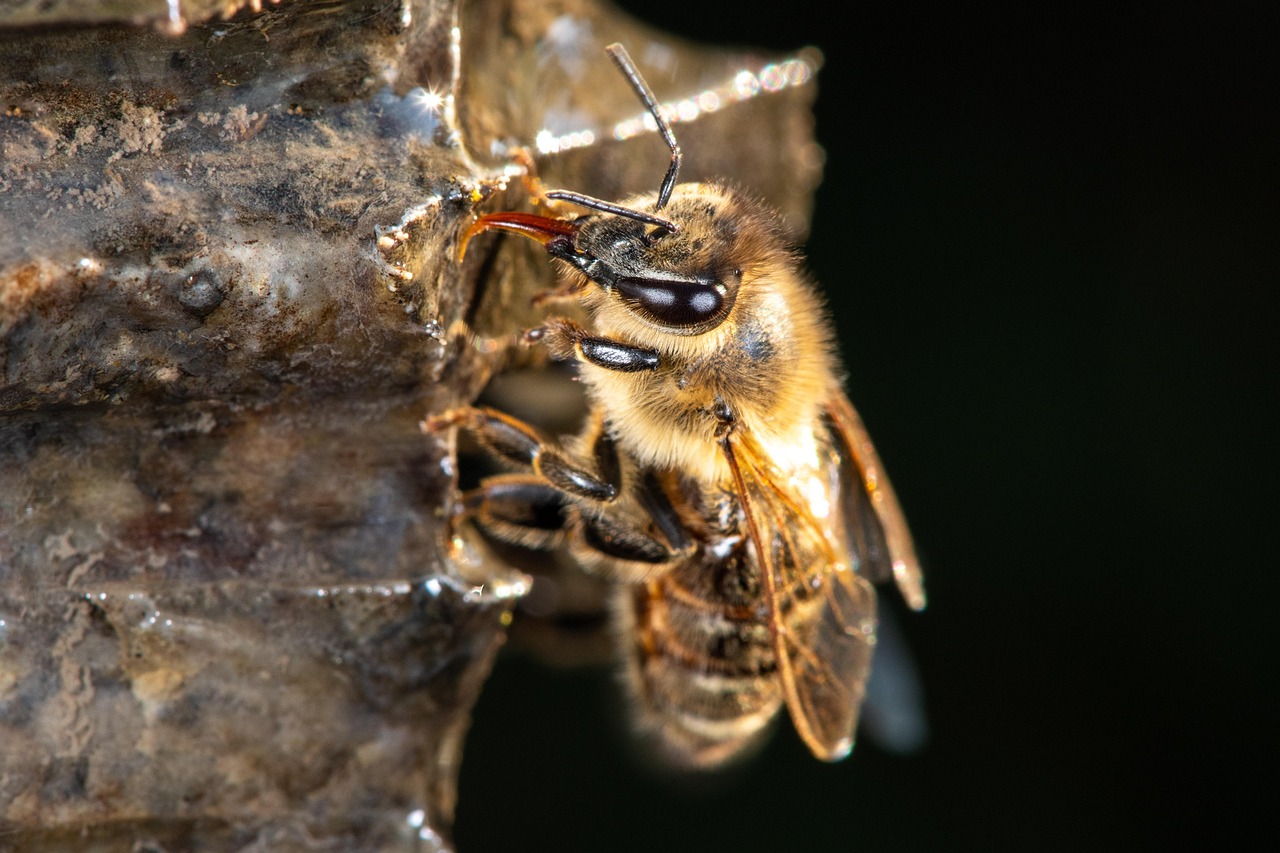
CLASS 10 , FOR SEE , A COMPLETE NOTES OF HONEY BEE,
NOTES OF HONEY BEE , CLASS 10
Complete Notes: Honey Bee
1. Introduction / Definition of Honey Bee
Honey bee is a social insect that lives in groups called colonies.
It belongs to the order Hymenoptera.
Scientific name of common honey bee: Apis mellifera
Honey bees are famous for producing honey and beeswax.
They live together in a beehive and work cooperatively.
Useful Words
Colony → A group of bees living together
Hive → Home of honey bees
Larva → Young stage of bee
Pupa → Resting stage before adult
Nectar → Sweet liquid collected from flowers
Pollination → Transfer of pollen from one flower to another
Comb → Wax structure made by bees
2. Types of Honey Bee
There are three main types (castes) of honey bees in a colony:
A. Queen Bee
Definition
The queen bee is the only fertile female in the colony.
Characteristics
- Largest bee in the hive
- Has a long abdomen
- Lays eggs
- Can lay 1500–2000 eggs per day
- Lives for 2–5 years
Functions
Lays eggs
Controls the colony by releasing chemicals called pheromones
Maintains unity in the hive
B. Worker Bee
Definition
Worker bees are sterile female bees that do all the work.
Characteristics
Smallest bees
Most numerous in the colony
Live for 5–6 weeks
Functions
- Collect nectar and pollen
- Make honey
- Build honeycomb
- Feed young bees
- Clean hive
- Protect hive
- Maintain hive temperature
C. Drone Bee
Definition
Drone bees are male bees.
Characteristics
- Bigger than worker bees
- No sting
- Large eyes
- Live for a few weeks
Functions
Mate with the queen bee
Special Fact
Drones die after mating.
3. Life Cycle of Honey Bee
Honey bee undergoes complete metamorphosis.
Definition
Complete metamorphosis is a life cycle with four stages.
Stages of Honey Bee Life Cycle
A. Egg Stage
Queen lays eggs in wax cells
Eggs are very tiny and white
Egg hatches in 3 days
B. Larva Stage
Definition
Larva is the worm-like young stage.
Features
- White and soft
- Fed by worker bees
- Eats continuously
- Grows rapidly
- Duration: 5–6 days
C. Pupa Stage
Definition
Pupa is the resting stage.
Features
Develops wings, legs, eyes
Changes into adult bee
Duration: 7–14 days
D. Adult Stage
The fully developed bee emerges from the cell.
Adult can be:
- Queen bee
- Worker bee
- Drone bee
Life Cycle Flow
Egg → Larva → Pupa → Adult
4. Importance of Honey
A. As Food
Nutritious natural sweetener
Rich in energy
B. Medicinal Uses
Helps heal wounds
Relieves cough and sore throat
Has antibacterial properties
C. Cosmetic Uses
Used in soaps and creams
D. Preservative
Helps preserve food
5. Importance of Honey Bee
A. Pollination
Definition:
- Pollination is transfer of pollen grains from one flower to another.
- Importance:
- Helps plants reproduce
- Increases crop production
B. Honey Production
Produces honey for humans
C. Beeswax Production
Used for:
Candles
Cosmetics
Polish
D. Maintains Biodiversity
Helps growth of plants
Supports ecosystem balance
E. Economic Importance
Source of income through beekeeping
6. Useful Short Definitions
Honey Bee: An insect that produces honey.
Honeycomb: Wax structure made by bees.
Nectar: Sweet liquid from flowers.
Pollen: Fine powder produced by flowers.
Beekeeping: Rearing bees for honey production.
Metamorphosis: Process of change in body form during growth.
Apiary: Place where bees are kept.
7. Important Points to Remember
Honey bees are social insects
There are three types of bees
Honey bee life cycle has four stages
Worker bees collect nectar
Queen bee lays eggs
Drones mate with queen
Honey bees help in pollination
Honey has food and medicinal value
8. Very Short Exam Answers
Q: Name the types of honey bees.
Ans: Queen bee, worker bee, drone bee.
Q: How many stages are in honey bee life cycle?
Ans: Four stages.
Q: What is the role of worker bee?
Ans: Collects nectar and maintains hive.
Q: Why are honey bees important?
Ans: They produce honey and help in pollination.
Honey Bee Guide
Exploring Nature’s Most Important Pollinators
Types of Honey Bees
Queen Bee
The reproductive female of the colony. A single queen can lay up to 2,000 eggs per day during peak season. She is the largest bee in the hive and can live for 5-7 years, making her the longest-living member of the colony. The queen emits special pheromones that unite the colony and maintain order.
Worker Bee
Female bees that perform all the tasks necessary for colony survival including foraging, nursing larvae, building honeycomb, and defending the hive. They are the smallest bees in the colony and live only 5-6 weeks during active season (3-4 months in winter). Approximately 20,000-80,000 worker bees populate a single hive.
Drone Bee
Male bees whose primary purpose is to mate with the queen. They have larger eyes and cannot sting. Drones are generally expelled from the hive before winter to conserve resources. Unlike workers, they contribute no food or labor and rely entirely on worker bees for sustenance.
Life Cycle of Honey Bees
Egg (Day 1-3)
The queen lays a single egg in each cell of the honeycomb. The egg is very small, about the size of a grain of rice, and appears as a tiny white speck at the bottom of the cell. This stage lasts approximately 3 days.
Larva (Day 4-9)
The egg hatches into a larva that resembles a small white worm. Worker bees feed the larva royal jelly and pollen. The larva grows rapidly and molts five times during this stage. By day 9, the larva has grown to fill its cell completely.
Pupa (Day 10-21)
Worker bees cap the cell with wax. Inside the sealed cell, the larva transforms into a pupa and undergoes metamorphosis. During this stage, the bee develops its wings, legs, antennae, and compound eyes. The pupa stage lasts about 12 days.
Adult Bee (Day 22+)
The adult bee chews through the wax cap and emerges from its cell. Young worker bees begin their tasks inside the hive before transitioning to foraging. Worker bees live 5-6 weeks in summer, while drones live several weeks and queen bees can live 5-7 years.
Importance of Honey & Honey Bees
Pollination Services
Honey bees are responsible for pollinating approximately 75% of global food crops and 90% of wild plants. This essential service is critical for reproduction in flowering plants and the production of fruits, vegetables, and seeds that form the backbone of our food supply.
Honey Production
Honey is a remarkable natural product created by bees storing and processing nectar. It serves as a complete nutrition source, containing vitamins, minerals, enzymes, and antioxidants. Honey has antimicrobial properties and has been used medicinally for thousands of years.
Economic Value
The global honey bee industry generates over $15 billion annually through honey production and crop pollination services. Beyond direct sales, pollination by honey bees supports agricultural sectors worth hundreds of billions of dollars worldwide, making them invaluable to human economies.
Ecosystem Balance
Honey bees play a vital role in maintaining ecosystem health and biodiversity. Through pollination, they support the reproduction of wild plants that provide food and habitat for countless other species, creating a ripple effect that sustains entire ecosystems.
Byproducts
Beyond honey, bees produce valuable byproducts including beeswax (used in cosmetics and candles), propolis (used in natural supplements), and bee pollen. These products have traditional and modern applications in medicine, nutrition, and personal care.
Environmental Indicators
Honey bees serve as vital indicators of environmental health. Declining bee populations signal ecosystem problems such as pesticide use, habitat loss, and climate change. Protecting bees helps us understand and address broader environmental challenges affecting our planet.
